Dehumidification services in SunCity, Arizona that dry your home fast
We pull moisture out of walls, floors and air before mold takes hold
Our dehumidification services in SunCity, Arizona remove the moisture that water extraction leaves behind. If a burst pipe, roof leak or toilet overflow soaked your floors, the air and framing stay damp for weeks. We place commercial dehumidifiers, monitor with a moisture meter and dry the structure to IICRC standards. Homeowners and property managers across SunCity call us because we respond 24/7 and document every reading.
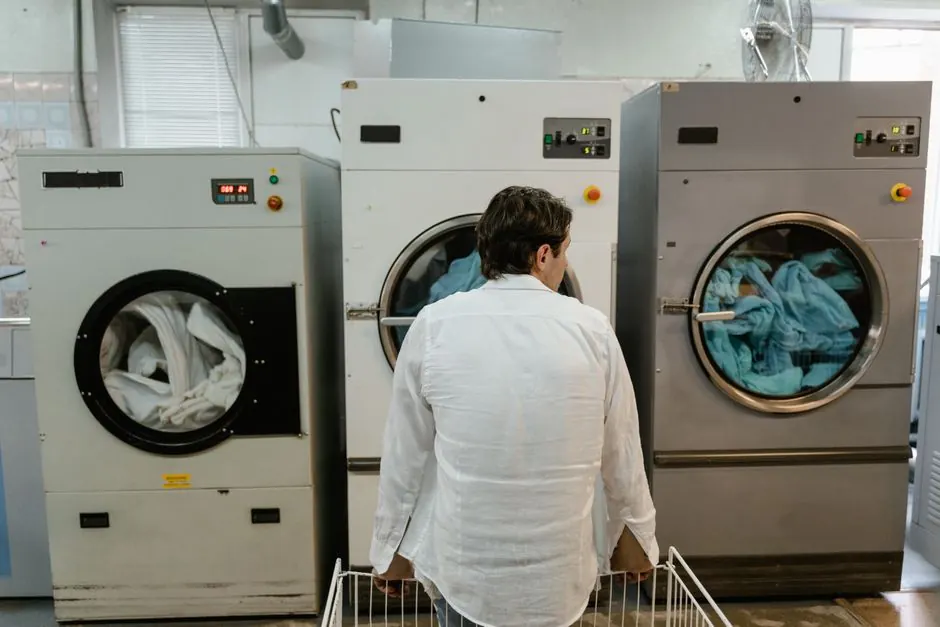
What dehumidification services in SunCity, Arizona actually do
Dehumidification services in SunCity, Arizona is the controlled removal of water vapor from the air and building materials after a leak, flood or spill. We use commercial-grade refrigerant and desiccant dehumidifiers to pull moisture out of drywall, insulation, hardwood flooring, carpet padding, subfloor and baseboards. A moisture meter and thermal imaging camera tell us where the water hides; the dehumidifier and air mover dry it out. Drying usually takes two to five days depending on how wet the structure is and how thick the materials are.
SunCity homes deal with monsoon storms, slab leaks and aging plumbing that fail without warning. When a supply line bursts behind a wall, the visible puddle is gone in an hour but the framing stays wet for weeks. That trapped moisture feeds mold growth and warps subfloors. Our professional dehumidification SunCity crews bring the humidity inside the wall cavity down below 15 percent moisture content, which stops mold before it starts. If you searched for dehumidification services in SunCity Arizona near me after a water event, we are the team that shows up with the right equipment.
Why SunCity homeowners call us for structural drying
Drying a home is not about running a box fan for a weekend. It is about hitting measurable targets inside the wall cavity and under the floor. Here is what our dehumidification services in SunCity, Arizona deliver.
Stops mold before it grows
Mold can start colonizing a wet wall in 24 to 48 hours. We bring humidity inside the cavity below 60 percent relative humidity and materials below 15 percent moisture content, which shuts down mold growth. Our IICRC AMRT-trained technicians treat affected framing with antimicrobial spray so you are not dealing with a mold problem next month.
Protects floors and subfloors
Hardwood flooring and subfloor panels cup and warp when they stay wet. We dry hardwood slowly with controlled airflow so boards do not split, and we dry carpet padding in place when it is salvageable. If padding is too far gone, we remove it, dry the subfloor and tell you exactly what replacement material you need.
Lowers your power bill
A damp house forces your air conditioner to work harder all summer. After we finish dehumidification services SunCity AZ, indoor humidity drops to a normal 40 to 50 percent range. Your AC runs less, your rooms feel cooler at the same thermostat setting, and you stop running a second dehumidifier in the hallway.
Documents the job for insurance
We log moisture readings, temperature and relative humidity every visit and build the drying report in Xactimate. That documentation is what your adjuster needs to approve the claim. You get daily readings, photos and a final drying certificate showing the structure met the IICRC S500 standard for dry.
How our dehumidification process works
Every job follows the same sequence: find the moisture, extract what is standing, dry the air and materials, then prove it is dry. Here is what you experience from the first phone call to the final reading.
Emergency call
You call (623) 304-3062 and describe the leak. We ask what happened, how long the water ran and what rooms are affected. A crew is dispatched 24/7, and most SunCity addresses see us within 60 to 90 minutes. If water is still flowing, we walk you through shutting off the supply valve before we arrive.
Moisture mapping
We walk the property with a moisture meter, thermal imaging camera and hygrometer. The infrared thermometer and inspection camera let us see behind baseboards and inside wall cavities without cutting open every wall. You get a written map of every wet zone, with readings, before we place a single piece of equipment.
Water extraction
Standing water comes out first with a water extraction unit. We pull water from carpet, pad and hard floors, then remove baseboards where water has wicked up the drywall. Extraction typically takes one to three hours on a standard residential job, longer on commercial floors.
Dehumidifier placement
We set refrigerant or desiccant dehumidifiers, air movers and, where needed, a HEPA air scrubber. Equipment runs continuously and we check it daily. Most homes need two to four dehumidifiers plus six to ten air movers for a two to five day dry. We reposition equipment as readings change.
Verification and pickup
We do not pull equipment on a calendar. We pull it when the moisture meter shows drywall and framing at or below 15 percent moisture content and the air is under 50 percent relative humidity. You get a final drying report, photos and a certificate for your insurance file.
Local drying experience you can verify
Our technicians hold IICRC WRT, IICRC ASD and IICRC AMRT credentials, and we work under an Arizona Registrar of Contractors License. That means the person drying your home understands psychrometrics, not just how to plug in a fan. We have dried everything from a toilet overflow in a SunCity Heights condo to a 12,000 square foot commercial loss in the Riverside District. We follow the IICRC S500 standard on every job, and we document readings the same way an insurance adjuster expects to see them. When we say a wall is dry, we have the numbers to prove it.
- IICRC WRT and ASD certified technicians on every dehumidification job
- Arizona Registrar of Contractors licensed and insured for residential and commercial work
- Daily moisture readings logged and shared with you and your adjuster
- Xactimate documentation that matches what insurance carriers reimburse
- EPA Lead-Safe and OSHA 10 trained crews for safe work in older SunCity homes
Why our dehumidification services in SunCity, Arizona stand out
Anyone can rent a dehumidifier. The difference is knowing where to place it, how long to run it and when the structure is actually dry. We bring the equipment, the training and the paperwork to finish the job right.
24/7 emergency response
Water does not wait for business hours, so we do not either. Call (623) 304-3062 at 2 a.m. after a washing machine line bursts and a crew is on the way. Most SunCity jobs get equipment running within 90 minutes of the call, which is the window that decides whether mold becomes a problem.
Commercial-grade equipment
We run Dri-Eaz, Phoenix Restoration Equipment and Legend Brands dehumidifiers and air movers, not consumer units from a hardware store. A single LGR dehumidifier pulls 80 to 130 pints of water per day. That is the difference between a three-day dry and a two-week dry.
Insurance documentation included
Every dehumidification services SunCity job includes moisture logs, photos and an Xactimate-ready report. We work with ServePro, Belfor and independent adjusters regularly, so we know what carriers want to see. You are not stuck translating our notes into a claim.
We dry to a number, not a feeling
We do not guess. We place a hygrometer in each affected room and a moisture meter in each wall cavity, and we track the readings daily. When the drywall hits 15 percent moisture content and the air sits under 50 percent relative humidity, we know the structure is dry and it is safe to rebuild.
What our dehumidification service includes
Our standard dehumidification services in SunCity, Arizona cover the full drying cycle from moisture mapping to final verification. We bring the equipment, the monitoring and the documentation. If your job needs reconstruction, we can handle that too, but the drying scope stands on its own.
What's Included
Full moisture inspection
We check every room with a moisture meter, thermal imaging camera and hygrometer. You get a written map of wet zones with readings, including hidden moisture behind walls and under floors that you cannot see or feel.
Commercial dehumidifier setup
We place refrigerant or desiccant dehumidifiers sized to the cubic footage of the affected area. A typical SunCity bedroom needs one LGR unit; a flooded great room needs two to three. We position them for airflow, not convenience.
Air mover placement
Air movers keep air moving across wet surfaces so the dehumidifier can grab the moisture. We set them at angles that dry wall cavities and floor assemblies, and we reposition them each day as the wet zones shrink.
Antimicrobial treatment
We apply antimicrobial spray to affected framing, baseboards and subfloor before drying begins. This is not a substitute for drying, but it stops surface mold from taking hold while the structure dries over the next several days.
Daily monitoring and reports
A technician visits every day to log temperature, relative humidity and material moisture content. You get the readings, and we adjust equipment placement based on what the numbers say. No guessing, no leaving equipment for a week unchecked.
Final drying verification
We pull equipment only when drywall and framing read at or below 15 percent moisture content and indoor relative humidity is under 50 percent. You receive a drying certificate and photo documentation for your insurance claim.
Moisture problems we solve in SunCity homes
Water damage is not over when the puddle is gone. These are the problems we see most often when homeowners call for dehumidification services in SunCity Arizona near me, and how we fix them.
Hidden moisture behind walls after a slab leak
A slab leak can soak the bottom plate and drywall for weeks before you notice. By then, mold growth has started and the subfloor may be warping.
We use a thermal imaging camera and moisture meter to find the wet zone without tearing out every wall. Then we drill small access holes, place air movers and run dehumidifiers until the cavity reads dry. Most slab leak dry-outs take three to five days.
Muggy air and musty smell after a roof leak
A roof leak during monsoon season soaks attic insulation and ceiling drywall. The smell lingers because the moisture is trapped above the ceiling line where your AC cannot reach it.
We remove saturated insulation, dry the ceiling assembly with directed airflow and run a desiccant dehumidifier in the attic space. We treat framing with antimicrobial spray and verify with a hygrometer before closing anything up.
Wet carpet and padding that will not dry
Carpet padding acts like a sponge. If it stays wet more than 48 hours, it delaminates and starts growing mold on the underside where you cannot see it.
We extract standing water with a water extraction unit, then lift the carpet and dry the padding in place if it is salvageable. If it is not, we remove the pad, dry the subfloor and tell you exactly what replacement pad to buy.
High indoor humidity after a toilet overflow
A toilet overflow in a bathroom can push humidity through the whole house. Doors swell, paint peels and your AC works overtime trying to keep up.
We extract the water, remove wet baseboards and run dehumidifiers in the bathroom and adjacent rooms. We track relative humidity daily and pull equipment when the house is back to a normal 40 to 50 percent range.
When you need dehumidification services in SunCity
A supply line bursts under the kitchen sink while you are at work and water runs for two hours before you get home.
We extract standing water, remove the wet baseboards and set dehumidifiers and air movers in the kitchen and adjacent rooms. Moisture mapping tells us how far the water traveled under the cabinets and into the dining room.
The kitchen and dining area dry in three days instead of three weeks, and you avoid replacing the hardwood that would have cupped.
Monsoon rain drives through a failed roof flashing and soaks the ceiling and attic insulation in your SunCity Heights home.
We remove the wet insulation, dry the ceiling drywall from below and run a desiccant dehumidifier in the attic. Thermal imaging confirms the framing is dry before we recommend repairs.
No musty smell, no ceiling stain spreading, and a documented dry-out your insurance adjuster accepts without argument.
A commercial tenant in the Riverside District reports a musty odor and swollen baseboards along an exterior wall.
We inspect with a moisture meter and infrared thermometer, find the wet zone, and set up a commercial dehumidification array after hours so the business can keep operating. We coordinate with the property manager on daily readings.
The wall cavity dries to 15 percent moisture content in four days, and the tenant stays open through the whole process.
Your washing machine hose fails overnight and floods the laundry room, hallway and part of the garage.
We extract the standing water, pull the wet carpet and pad, and set dehumidifiers across all three spaces. We treat the affected framing with antimicrobial spray and monitor daily.
The slab and framing dry in three days, and you replace only the carpet pad instead of the whole floor.
Equipment and methods we use to dry SunCity structures
Tools & Equipment
Moisture meter
Pin and pinless readings that tell us the moisture content inside drywall, framing and subfloor. We log readings daily to track the dry-down curve.
Thermal imaging camera
Shows temperature differences that reveal hidden moisture behind walls and under floors without cutting open every surface. It is how we find the edges of a wet zone.
Hygrometer
Measures relative humidity and temperature in each room. We use it to confirm the air is drying and to decide when dehumidifiers can come out.
Dri-Eaz and Phoenix Restoration Equipment dehumidifiers
Commercial LGR and desiccant units that pull 80 to 130 pints of water per day. Sized to the cubic footage of the affected area, not the square footage.
Air movers
Keep air moving across wet surfaces so the dehumidifier can capture the moisture. We angle them into wall cavities and under floor assemblies.
Water extraction unit
Removes standing water from carpet, pad and hard floors before drying begins. Extraction first means the dehumidifiers are not fighting a puddle.
Inspection camera
Lets us look inside wall cavities and under cabinets without demolition. We confirm the wet zone and check that drying is complete before closing up.
Methods & Techniques
IICRC S500 standard
The drying standard we follow on every job. It sets the moisture content and relative humidity targets we dry to, and it is the language insurance adjusters use when they review a claim.
Psychrometric drying
We calculate the dew point and grain depression to size equipment correctly. This is why two identical rooms can need different dehumidifier counts depending on temperature and starting humidity.
Daily monitoring protocol
A technician logs temperature, relative humidity and material moisture content every day. We adjust equipment placement based on the readings, not on a fixed schedule.
Xactimate documentation
We build the drying report in Xactimate, the same platform most carriers use. That means your adjuster sees line items and readings in a format they can approve quickly.
How dehumidification services run in SunCity, Arizona
SunCity sits in the Sonoran Desert, which sounds like the last place you would need a dehumidifier. But monsoon season from June through September dumps inches of rain in hours, and aging plumbing in 1970s and 1980s ranch homes fails regularly. When a supply line or slab leak soaks a wall, the desert heat does not dry the inside of the cavity. It bakes the outside while the framing stays wet. We see this constantly in Westside SunCity Arizona, where many homes still have original copper lines and single-pane windows that trap humidity. Our crews run refrigerant dehumidifiers during the hot months and switch to desiccant units when temperatures drop, because desiccant drying works better in cooler air. We also account for the fact that most SunCity homes are single-story slab construction. Water travels along the slab and soaks baseboards and drywall before it ever shows on the surface. That is why we map with a thermal imaging camera first and place equipment based on what we find, not on where the puddle was.
Service Areas
Older ranch homes with original plumbing and slab foundations. Water from a slab leak travels along the slab, so we map the whole floor before placing equipment.
Two-story homes where a roof leak or upstairs supply line soaks the ceiling below. We dry the upper floor and the ceiling assembly at the same time.
A mix of commercial buildings and condos. We schedule after-hours drying so businesses stay open and residents are not disrupted.
Historic homes with plaster walls and original hardwood. We dry slower and cooler to protect materials that cannot be replaced easily.
Properties near the water see higher ambient humidity year-round, so we run dehumidifiers longer and monitor relative humidity closely before pulling equipment.
Local Considerations
Monsoon season humidity spikes from June through September
Ambient humidity climbs fast, so dehumidifiers work harder and we often add a second unit to hit the target dry time. We also watch for roof leaks that only show up during a storm.
Slab-on-grade construction throughout most of SunCity
Water spreads along the slab under flooring and baseboards. We map the entire affected floor with a thermal imaging camera instead of assuming the wet zone matches the visible stain.
Aging copper and galvanized plumbing in older neighborhoods
Pinhole leaks and burst pipes are common. We treat these as emergency drying jobs and often find a second wet zone the homeowner did not know about.
Extreme summer heat that bakes exteriors while interiors stay damp
The outside of the wall can read dry while the cavity stays wet. We rely on moisture meter readings, not surface feel, to decide when the structure is dry.
Slab leak in a Westside ranch home
A pinhole leak in the copper supply line under the kitchen slab ran for an estimated three weeks before the homeowner noticed a warm spot on the floor. The moisture meter read 28 percent in the baseboards, and the drywall behind the cabinets was soft to the touch.
We extracted the standing water, removed the wet baseboards and ran two LGR dehumidifiers with eight air movers for four days. Final readings showed 11 percent moisture content in the framing and 44 percent relative humidity in the kitchen.
Maintenance & Follow-up
We recommended a pressure test on the remaining copper lines and a quarterly visual check under the sink. The homeowner now keeps a moisture meter on hand and checks the slab after every monsoon.
A failed flashing let water into the attic and through the ceiling of a second-floor bedroom. The ceiling drywall was saturated, insulation was soaked, and the homeowner reported a musty smell within 48 hours of the storm.
We removed the wet insulation, dried the ceiling assembly with directed airflow and ran a desiccant dehumidifier in the attic for three days. The ceiling drywall dropped from 32 percent to 12 percent moisture content, and the smell was gone.
Maintenance & Follow-up
We advised a roof inspection before the next monsoon season and a fresh coat of paint on the ceiling to seal any remaining staining. The homeowner scheduled the roof repair the same week.
A burst supply hose flooded the laundry room, hallway and part of the living room while the owner was out of town. Carpet and pad were saturated, and water had wicked up the drywall six inches above the baseboard.
We extracted the standing water, removed the wet pad, dried the carpet in place and ran two dehumidifiers with six air movers for three days. The drywall and subfloor read 13 percent moisture content at final verification.
Maintenance & Follow-up
We replaced the rubber supply hoses with braided stainless steel lines and showed the owner how to shut off the washer valves before leaving on a trip. No repeat flooding since.
What dehumidification services cost in SunCity
Typical 2026 pricing for dehumidification services in SunCity, Arizona runs $350 to $1,800 for a residential job, depending on how many rooms are affected and how long the equipment runs. A single-room dry-out with one dehumidifier and four air movers usually lands near the low end. A whole-house dry after a slab leak or burst pipe sits at the high end. Commercial jobs are quoted per square foot. We give you the number before we start, and we bill for equipment days, not for guesswork.
Pricing Factors
Number of affected rooms
Each room needs its own dehumidifier and air mover set. A single bathroom dry-out uses one unit; a whole-house flood can need four or more. More equipment means more daily cost.
How long the water ran
Water that sat for a day dries faster than water that sat for a week. Longer saturation means deeper moisture in the framing and subfloor, which adds drying days and cost.
Material types affected
Carpet and pad dry quickly. Hardwood, plaster and tile-over-slab dry slowly and need controlled airflow. Historic homes in Old Town SunCity often take longer because we dry cooler to protect original materials.
Category of water
Clean water from a supply line is straightforward. Gray or black water from a toilet overflow or storm backup requires removal of contaminated materials and antimicrobial treatment before drying, which adds labor.
Equipment days
We bill per day of equipment use. A standard dry runs three to five days. If readings stall because of high ambient humidity, we may need an extra day or a second dehumidifier.
Insurance coverage
Most homeowner policies cover the drying portion of a sudden water loss. We document in Xactimate so your adjuster can process the claim, and you typically pay only your deductible.
Typical Investment Range
$350 - $1,800 for residential; commercial quoted per square foot
Actual pricing varies based on project scope and requirements
Value You Receive
The cost of drying is a fraction of the cost of replacing moldy drywall, warped hardwood and rotted subfloor. A three-day dry-out at $600 beats a $6,000 rebuild every time. We also document for insurance so the covered portion goes back to you.
Frequently asked questions about dehumidification in SunCity
Have questions? We have answers. If you don't see your question here, feel free to contact us.
Call UsHow much do dehumidification services cost in SunCity Arizona?
Most residential jobs run $350 to $1,800 in 2026, with a single-room dry-out near the low end and a whole-house dry after a slab leak near the high end. Commercial work is quoted per square foot. The biggest cost drivers are how many rooms are wet, how long the water sat and how many days the equipment runs. We give you the number before we start.
How long does dehumidification take in SunCity?
A typical dry takes three to five days. A single bathroom or laundry room can be dry in two to three days. A whole-house dry after a slab leak or burst pipe usually runs four to five days. We do not pull equipment on a calendar. We pull it when the moisture meter reads 15 percent or lower in the framing and the air is under 50 percent relative humidity.
Do I need professional dehumidification in SunCity AZ?
Yes, if water soaked into walls, floors or insulation. A box fan and a hardware-store dehumidifier cannot pull moisture out of a wall cavity, and they will not dry a subfloor before mold starts. Professional dehumidification after water damage SunCity AZ uses commercial LGR units that pull 80 to 130 pints per day and a moisture meter to prove the structure is dry.
Who offers 24/7 dehumidification services in SunCity?
We do. Call (623) 304-3062 any hour and a crew is dispatched to your SunCity address, usually arriving within 60 to 90 minutes. Emergency dehumidification services SunCity 24/7 matter because mold can start growing in 24 to 48 hours. Getting equipment running the same night is what keeps a small leak from turning into a mold remediation job.
Licensed, certified and documented
Certifications
Customer Reviews
A slab leak soaked our baseboards in Westside and we had no idea how far the water spread. The crew mapped the whole floor with a thermal camera, set dehumidifiers and air movers, and checked readings every day. Four days later the framing read dry and they gave us the report for our insurance claim. No mold, no guesswork.
Our washing machine hose burst while we were out of town and flooded three rooms. They arrived within 90 minutes of my call, extracted the water and had dehumidifiers running that night. The daily readings and photos made the insurance process easy. I would call them again without hesitation.
Monsoon rain came through a bad flashing and soaked our attic and ceiling in SunCity Heights. They removed the wet insulation, dried the ceiling with a desiccant dehumidifier and got rid of the musty smell. The technician explained every reading and never tried to sell us anything we did not need.
We manage a commercial building in the Riverside District and had a musty odor along an exterior wall. They found the wet cavity with a moisture meter, dried it after hours so our tenants stayed open, and documented everything in Xactimate. Professional from start to finish.
Related water damage services in SunCity
Explore our other professional services
Emergency Water Damage Restoration
The first call after a burst pipe or appliance failure. We extract water, start drying and set dehumidifiers in one visit, so your SunCity home does not sit wet overnight.
Emergency Water Damage RestorationResidential Water Damage Restoration
Full-service drying and repair for SunCity homes, from the initial extraction through dehumidification and final reconstruction. We handle the whole job under one Arizona licensed contractor.
Residential Water Damage RestorationCommercial Water Damage Restoration
After-hours drying for SunCity offices, retail and restaurants. We size the dehumidification array to the square footage and schedule work so your business stays open.
Commercial Water Damage RestorationFlood Water Removal
Storm and monsoon flooding needs fast extraction before dehumidification can begin. We pump out standing water, remove contaminated materials and then dry the structure to IICRC targets.
Flood Water RemovalEmergency Water Extraction
Truck-mounted extraction pulls standing water from carpet, pad and hard floors. It is always step one before we place dehumidifiers, because drying goes faster when the puddle is gone.
Emergency Water ExtractionStanding Water Removal
When water pools in a room after a leak, we remove it with a water extraction unit and check the slab for hidden moisture before starting the dehumidification cycle.
Standing Water RemovalBurst Pipe Water Damage Cleanup
A burst supply line can dump hundreds of gallons into a SunCity home in minutes. We shut off the source, extract, and dry the walls and floors with commercial dehumidifiers.
Burst Pipe Water Damage CleanupPlumbing Leak Water Damage Cleanup
Slow leaks behind cabinets and under slabs soak materials quietly. We find them with a moisture meter and thermal imaging camera, then dry the affected framing and subfloor.
Plumbing Leak Water Damage CleanupCeiling Water Damage Drying
Roof leaks and upstairs supply lines soak ceiling drywall and insulation. We remove wet insulation, dry the assembly from below and run a dehumidifier in the attic space.
Ceiling Water Damage DryingWall Water Damage Drying
Water wicks up drywall above the baseboard. We drill small access holes, direct airflow into the cavity and run dehumidifiers until the framing reads dry.
Wall Water Damage DryingHardwood Floor Water Damage Drying
Hardwood cups and splits if it dries too fast. We use controlled airflow and dehumidification to dry boards slowly and save the floor when the water exposure was short.
Hardwood Floor Water Damage DryingCarpet Water Extraction
Carpet holds water in the fibers and the pad. We extract both with a water extraction unit, then dry the carpet in place with air movers and dehumidifiers when it is salvageable.
Carpet Water ExtractionWet Carpet Drying
Padding that stays wet more than 48 hours delaminates and grows mold. We lift the carpet, dry the pad in place or remove it, and dry the subfloor before reinstalling.
Wet Carpet DryingSubfloor Water Damage Drying
Subfloor panels warp and rot when they stay wet. We dry them with directed airflow and dehumidification and confirm with a moisture meter before any new flooring goes down.
Subfloor Water Damage DryingStorm Water Damage Cleanup
Monsoon storms drive water through roofs and doorways. We extract, remove contaminated materials and run commercial dehumidifiers to dry the structure before mold sets in.
Storm Water Damage CleanupRoof Leak Water Extraction
A roof leak soaks insulation and ceiling drywall where your AC cannot reach. We remove the wet insulation and dry the ceiling assembly with a desiccant dehumidifier in the attic.
Roof Leak Water ExtractionAppliance Leak Water Cleanup
Refrigerator, dishwasher and ice maker lines fail quietly. We find the wet zone with a moisture meter, extract the water and dry the cabinets and flooring with dehumidifiers.
Appliance Leak Water CleanupWashing Machine Leak Water Removal
A burst washer hose floods the laundry room fast. We extract the water, pull wet pad and dry the subfloor and adjacent rooms with dehumidifiers and air movers.
Washing Machine Leak Water RemovalDishwasher Leak Water Removal
Dishwasher leaks soak the cabinet base and the floor underneath. We pull the unit if needed, extract, and dry the cabinet and subfloor before any swelling turns into rot.
Dishwasher Leak Water RemovalRefrigerator Water Leak Cleanup
A failed ice maker line can wet a kitchen floor for weeks before it shows. We map the moisture, extract what is standing and dry the subfloor and cabinets with commercial equipment.
Refrigerator Water Leak CleanupWater Heater Leak Water Removal
A tank failure dumps 40 to 80 gallons into a garage or closet. We extract it, remove wet drywall and insulation, and run dehumidifiers until the framing reads dry.
Water Heater Leak Water RemovalToilet Overflow Water Cleanup
Overflow water is often gray water, which means contaminated materials come out before drying. We remove what is affected, treat with antimicrobial spray and dry the bathroom and hallway.
Toilet Overflow Water CleanupBathroom Water Damage Drying
Bathroom leaks soak tile underlayment, vanities and the wall behind the shower. We dry the assembly with directed airflow and dehumidification and check the adjacent room for hidden moisture.
Bathroom Water Damage DryingKitchen Water Damage Cleanup
Kitchen leaks from supply lines and appliances soak cabinets and flooring. We extract, dry the cabinet bases and subfloor, and confirm with a moisture meter before you rebuild.
Kitchen Water Damage CleanupSlab Leak Water Damage Cleanup
Slab leaks spread water along the foundation under your flooring. We map the whole floor with thermal imaging, dry the baseboards and drywall, and document readings for your insurance claim.
Slab Leak Water Damage CleanupStructural Drying Services
The umbrella service that includes dehumidification, air movement and daily monitoring. We dry the whole assembly to IICRC S500 targets and give you a certificate when it is done.
Structural Drying ServicesMoisture Detection for Water Damage
Before any drying starts, we find the water. A moisture meter, thermal imaging camera and hygrometer tell us exactly where the wet zones are and how far they extend.
Moisture Detection for Water DamageCrawl Space Water Removal
Crawl spaces trap humidity and feed mold into the living space above. We remove standing water, run dehumidifiers in the crawl space and verify with a hygrometer before closing it up.
Crawl Space Water RemovalEmergency Flood Cleanup
Storm flooding needs extraction, debris removal and drying in sequence. We handle all three, then run dehumidifiers until the structure reads dry and document the job for your claim.
Emergency Flood CleanupWhat SunCity customers say about our drying
Real experiences from customers who chose our Dehumidification Services services
"A pinhole slab leak soaked our kitchen baseboards for weeks before we noticed. The crew mapped the floor with a thermal camera, set two dehumidifiers and eight air movers, and checked the readings every single day. Four days later the framing read 11 percent and they handed us the drying report for our claim. No mold, no surprises on the bill."
Maria G.
Homeowner, Westside SunCity
"We had a musty smell along an exterior wall in one of our commercial units. They found the wet cavity with a moisture meter, scheduled the drying after hours so the tenant stayed open, and documented everything in Xactimate. The wall cavity dried in four days and the odor was gone. They are our first call now."
Derek T.
Property Manager, Riverside District
"Monsoon rain came through a failed flashing and soaked our attic and ceiling. They removed the wet insulation, ran a desiccant dehumidifier in the attic and dried the ceiling from below. The musty smell disappeared and the ceiling drywall went from 32 percent to 12 percent moisture content. They explained every reading along the way."
Angela R.
Homeowner, SunCity Heights
Call now for dehumidification services in SunCity, Arizona
Water sitting in your walls does not wait. We answer the phone 24/7, dispatch a crew within 60 to 90 minutes and start drying the same night. IICRC-certified, Arizona licensed and documented for your insurance claim. Call (623) 304-3062 and we will get your SunCity home dry.