Storm water damage cleanup in SunCity, Arizona, done right the first time
24/7 monsoon response, extraction, and structural drying
When monsoon rain pushes through a roof leak or floods your patio doors, storm water damage cleanup in SunCity, Arizona, needs to start within hours, not days. Our IICRC-certified crews handle storm damage water removal SunCity homeowners and businesses call for every July through September. We extract standing water, dry the structure, and document everything for your insurance claim.
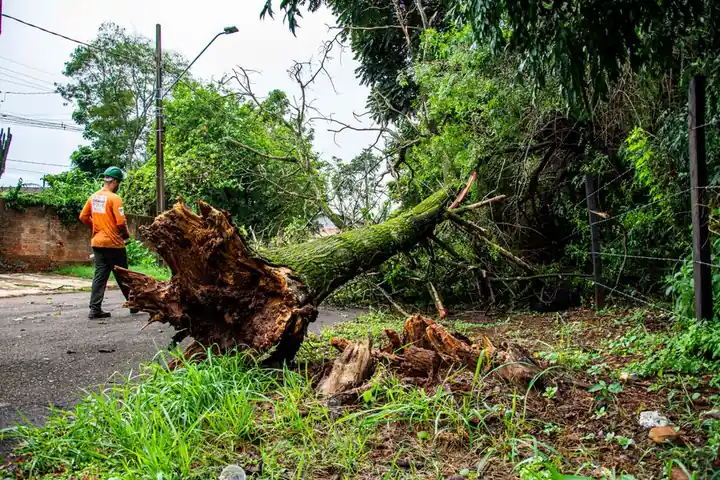
Storm water damage cleanup in SunCity, Arizona, explained
Storm water damage cleanup in SunCity, Arizona, is the process of extracting floodwater, drying saturated building materials, and sanitizing a home or business after monsoon storms, roof leaks, or wind-driven rain. It is not a shop-vac job. Stormwater carries dirt, roof grit, and sometimes sewage, so cleanup means removing standing water with truck-mounted extraction units, then drying wall cavities, subfloors, and insulation with air movers and dehumidifiers until moisture readings return to normal.
SunCity sits in the Sonoran Desert, so most people assume water damage is rare. The opposite is true. A single monsoon cell can drop two inches of rain in under an hour, overwhelming flat roofs, scuppers, and patio drains. We see the same pattern every August: ceiling stains in SunCity Heights, flooded garages near the Riverside District, and soaked carpet padding in Old Town. If you search for storm damage water removal near me SunCity Arizona after a storm, you want a crew that already knows these neighborhoods.
Why fast storm water cleanup matters
Water sitting in a SunCity home for 24 hours starts a chain reaction: drywall swells, baseboards wick moisture, and mold spores colonize within 48 to 72 hours. Here is what you get when you call us early.
Mold stopped in 48 hours
Mold growth begins on wet drywall and insulation within 48 to 72 hours of a storm. We extract water, set drying equipment the same day, and treat affected framing with antimicrobial spray so spores never get a foothold. Our storm cleanup services SunCity customers rely on include a final moisture check before we pull equipment.
Insurance-ready documentation
We photograph every wet room, log moisture meter readings, and build a line-item scope in Xactimate that adjusters recognize. That documentation is the difference between a full payout and a denied claim. You get the report, your adjuster gets the numbers, and the repair moves forward without weeks of back-and-forth.
Floors and cabinets saved
Hardwood flooring, cabinet toe kicks, and carpet padding absorb storm water fast. We use a thermal imaging camera and hygrometer to map hidden moisture behind walls and under floors, then dry in place when possible. Saving original hardwood and cabinetry often cuts repair costs by thousands compared with full replacement.
Same-day emergency response
Storm water damage cleanup in SunCity AZ is time-sensitive, so we run 24/7 dispatch during monsoon season. Most calls in SunCity Central and Westside get a crew on site within 60 to 90 minutes. We arrive with extraction units, air movers, and dehumidifiers on the truck, not on a second trip.
Our storm water cleanup process
Every job follows the same five steps, whether it is a flooded garage in Northgate or a soaked commercial suite downtown. You will know what is happening at each stage and how long it takes.
Emergency call
You call (623) 304-3062 and describe what happened. We ask about the water source, how long it has been standing, and whether any electrical panels are affected. A crew is dispatched immediately with extraction and drying equipment loaded. During monsoon season, most SunCity addresses see a technician within 60 to 90 minutes.
Inspection and mapping
We walk the property with a moisture meter, thermal imaging camera, and hygrometer, checking drywall, baseboards, subfloor, and carpet padding. Readings are logged room by room. This inspection usually takes 30 to 45 minutes and tells us exactly how far the water traveled, including hidden moisture behind walls.
Water extraction
Truck-mounted water extraction units pull standing water from carpet, tile, and hardwood. For deep flooding, we use submersible pumps first. Extraction of a typical 500-square-foot flooded area takes two to four hours. We also remove wet carpet padding, which cannot be saved once it is saturated.
Structural drying
We place air movers and dehumidifiers to dry wall cavities, subfloors, and framing. Desiccant dehumidifiers handle large commercial spaces. Drying typically runs three to five days, and we monitor moisture readings daily until materials return to normal levels. Equipment stays until the numbers say the structure is dry.
Final verification
Before we remove equipment, we re-check every affected area with a moisture meter and infrared thermometer. You receive a drying report with daily readings, photos, and the Xactimate scope for your insurance claim. If any material still reads high, we keep drying at no extra equipment charge.
Local storm damage expertise you can verify
Our technicians hold IICRC WRT (Water Restoration Technician) and IICRC ASD (Applied Structural Drying) certifications, and several carry IICRC AMRT for mold remediation. We work to the IICRC S500 standard for water damage restoration, which is the same benchmark insurance adjusters use. We are licensed through the Arizona Registrar of Contractors and carry OSHA 10 safety training for every field tech. That combination matters when a monsoon storm pushes water into a home and the clock is running.
- IICRC WRT and ASD certified technicians on every storm water crew
- IICRC S500 drying standard followed on every job, start to finish
- Arizona Registrar of Contractors licensed and insured
- Xactimate scoping used for insurance documentation adjusters accept
- OSHA 10 safety training for all field staff, including electrical hazard awareness
Why SunCity calls us for storm water damage cleanup
We are a local crew, not a franchise call center. When you call, you reach someone who knows SunCity streets, monsoon timing, and how Arizona adjusters handle storm claims. Here is what sets our storm water damage cleanup company SunCity apart.
Monsoon-season readiness
From June through September we staff extra crews and keep trucks loaded with extraction units, air movers, and dehumidifiers. When a storm hits SunCity, we are not scrambling for equipment. That readiness is why most of our storm calls get a technician on site within 60 to 90 minutes.
Insurance documentation included
Every job includes moisture mapping, daily drying logs, photos, and an Xactimate scope. Adjusters get the format they expect, which speeds up claim approval. You do not pay extra for this documentation, and you get a copy for your records.
Certified drying, not guesswork
Our IICRC WRT and ASD technicians dry to the S500 standard using moisture meters, thermal imaging cameras, and hygrometers. We do not pull equipment until readings confirm the structure is dry. That is how storm damage water removal SunCity homeowners trust avoids callbacks and mold surprises.
Neighborhood-level response
We work SunCity Heights, Old Town, Northgate, Westside, and every neighborhood in between. If you need emergency storm water damage cleanup SunCity 24/7, we know the quickest route to your address and the common problem spots, from flat roofs to patio drains, before we arrive.
What storm water damage cleanup includes
Our standard storm water damage cleanup in SunCity, Arizona, covers extraction, drying, and documentation from the first call to the final moisture check. Some work, like full reconstruction or mold remediation beyond a small area, is quoted separately after we inspect. Here is what is included.
What's Included
Emergency water extraction
Truck-mounted extraction units and submersible pumps remove standing storm water from carpet, tile, hardwood, and concrete slabs. We pull water from flooded garages, patios, and interior rooms, then check the subfloor and wall base for trapped moisture before moving to drying.
Moisture detection and mapping
We use a moisture meter, thermal imaging camera, hygrometer, and infrared thermometer to map exactly where water traveled. Readings are logged room by room, including hidden moisture behind walls and under hardwood flooring. This map drives the drying plan and the insurance scope.
Structural drying setup
Air movers and dehumidifiers are positioned to dry wall cavities, subfloors, baseboards, and framing. Desiccant units handle large commercial spaces. We monitor daily and adjust equipment placement until moisture readings return to normal, usually within three to five days.
Antimicrobial treatment
Storm water carries dirt and bacteria, so we apply antimicrobial spray to affected framing, drywall edges, and subfloor after extraction. This step slows mold growth while the structure dries. It is standard on every storm job, not an upsell.
Insurance documentation package
You receive daily drying logs, photos, moisture readings, and an Xactimate line-item scope. Adjusters use this to approve your claim faster. We also document any materials, like carpet padding or insulation, that had to be removed and disposed of.
Final drying verification
Before equipment is removed, we re-check every affected area with a moisture meter and infrared thermometer. If any material still reads high, drying continues. You get a written confirmation that the structure is dry, which protects you if a mold question comes up later.
Storm water problems we solve in SunCity
Monsoon storms create predictable damage in SunCity homes and businesses. These are the calls we run most often, and how we handle each one.
Monsoon flooding through patio doors and garages
Standing water wicks into drywall, baseboards, and stored belongings within hours, and the slab stays wet for days without extraction.
We pump and extract standing water, remove saturated carpet padding, and set air movers and dehumidifiers to dry the slab and wall base. Moisture readings are logged daily until the structure is dry, usually in three to five days.
Roof leaks soaking ceilings and insulation
Wet insulation and drywall lose structural strength, and ceiling stains often hide moisture that spreads across the attic deck.
We use a thermal imaging camera to trace the leak path, extract water from ceilings and walls, and dry attic insulation and framing. If drywall is too saturated, we remove and document it for your insurance claim.
Hidden moisture behind walls after wind-driven rain
Water enters through window frames and stucco cracks, then sits inside wall cavities where mold can start within 48 to 72 hours.
Our technicians use moisture meters and inspection cameras to find water behind walls without tearing everything open. We dry cavities with directed air movers and apply antimicrobial spray to affected framing.
Flooded commercial suites and retail space
A single storm event can close a business for days, and wet carpet and drywall create odor and mold problems that drive customers away.
We run 24/7 commercial response with desiccant dehumidifiers and high-capacity air movers. Crews work after hours to minimize downtime, and we provide the Xactimate documentation your property manager needs.
When to call for storm water cleanup
A monsoon storm drops two inches of rain in an hour and water sheets under your patio door into the living room.
We extract the standing water, pull up saturated carpet padding, and set drying equipment the same day. Moisture readings are logged daily, and we treat the slab and wall base with antimicrobial spray.
Your living room is dry in three to four days, carpet padding is replaced, and your insurance claim is documented from day one.
You notice a brown ceiling stain in SunCity Heights after a night of heavy rain and wind.
We trace the roof leak with a thermal imaging camera, extract water from the ceiling and attic insulation, and dry the framing. Saturated drywall sections are removed and documented for your claim.
The leak path is dried, the stain does not spread, and you have photos and readings to support the repair.
Your garage floods during an August storm and water reaches stored boxes, tools, and the water heater platform.
We pump the standing water, extract from the concrete slab, and dry the garage with air movers. The water heater area is checked for moisture and the platform is dried before equipment is removed.
The garage is dry in two to three days, and your stored belongings are saved where possible.
A storm pushes water into your Northgate retail suite overnight, soaking carpet and baseboards before you open.
We respond 24/7, extract the carpet, remove wet padding, and set desiccant dehumidifiers and air movers. Crews work before opening hours to limit downtime, and we document everything for your property manager.
You reopen on schedule with dry floors and a complete insurance documentation package.
Tools and methods we use
Tools & Equipment
Moisture meter and hygrometer
Used to measure moisture content in drywall, subfloor, and framing, and to track relative humidity in the drying chamber. Readings are logged daily to confirm the structure is drying on schedule.
Thermal imaging camera and infrared thermometer
Reveals hidden moisture behind walls, under hardwood flooring, and above ceilings without tearing materials open. We use it during inspection and again before removing equipment.
Truck-mounted water extraction unit
Pulls standing water from carpet, tile, and concrete at high volume. A typical 500-square-foot flooded area is extracted in two to four hours, depending on water depth.
Air movers and dehumidifiers
Dri-Eaz and Phoenix Restoration Equipment air movers circulate air across wet surfaces while dehumidifiers pull moisture from the air. Together they dry wall cavities and subfloors in three to five days.
Desiccant dehumidifier
Used on large commercial losses and in cool, humid spaces where refrigerant dehumidifiers are less effective. Desiccant units from Legend Brands handle big open floor plans and warehouse spaces.
Inspection camera
Slips behind baseboards and inside wall cavities to confirm water paths and check for hidden mold growth. It helps us avoid unnecessary demolition on storm jobs.
Methods & Techniques
IICRC S500 standard
The S500 standard defines how water damage restoration is scoped, dried, and documented. We follow it on every job, which is why our moisture logs and drying reports match what insurance adjusters expect to see.
Xactimate scoping
We build line-item scopes in Xactimate, the estimating platform most Arizona carriers use. That means your adjuster receives a format they can process quickly, reducing delays in claim approval and payment.
Antimicrobial application
After extraction, we apply antimicrobial spray to affected framing, drywall edges, and subfloor. Storm water carries dirt and bacteria, so this step slows mold growth while the structure dries.
Daily moisture monitoring
We return every day to log moisture meter and hygrometer readings and adjust equipment placement. Drying is not a set-it-and-forget-it process. We keep equipment running until readings confirm normal moisture levels.
How storm water cleanup runs in SunCity
SunCity's monsoon season runs from mid-June through September, and that is when most of our storm calls come in. A single cell can drop two inches of rain in under an hour, and the desert soil cannot absorb it fast enough. Water pools on flat roofs, backs up through patio drains, and pushes under garage doors in SunCity Heights and the Riverside District. Older homes in Old Town often have original stucco and flat roofs with scuppers that clog with debris, so roof leaks are common after the first big storm of the season. Newer builds in Northgate and Greenfield tend to have tile roofs and HOA-maintained drainage, but wind-driven rain still finds window frames and stucco cracks. If you need storm damage water removal after monsoon SunCity AZ, call before the water has been sitting overnight. We know which neighborhoods flood first, which streets drain poorly, and how to document a claim for Arizona carriers. Our crews carry extraction units, air movers, and dehumidifiers on every truck, so we start work the moment we arrive.
Service Areas
Older stucco homes with flat roofs and scuppers that clog with debris. Roof leaks and ceiling stains are the most common storm calls here.
Elevated lots drain toward the street, but patio doors and garage thresholds still take on water during heavy monsoon cells.
Properties near the wash see the fastest water rise after a storm. We prioritize these addresses for same-day extraction.
A mix of retail and residential. Commercial suites need after-hours drying so businesses can open on schedule.
Wide streets and older drainage infrastructure mean standing water lingers after storms, especially near intersections.
Local Considerations
Monsoon microbursts dropping two inches in an hour
Roof drains and patio scuppers cannot keep up, so water enters through door tracks, window frames, and stucco cracks. Extraction needs to start the same day.
Flat roofs and clogged scuppers on older homes
Water ponds on the roof and finds seams, causing ceiling leaks and wet attic insulation that spreads moisture across the deck.
Caliche soil that sheds water instead of absorbing it
Runoff pools against foundations and garage doors, pushing water into slabs and wall bases where it wicks upward.
High summer heat after the storm passes
Warm interiors accelerate mold growth on wet drywall and insulation, shrinking the safe drying window to 48 hours or less.
Flooded living room in SunCity Heights
A monsoon storm pushed water under a patio door, soaking 400 square feet of carpet and padding. The homeowner called the next morning, and moisture had already reached the baseboards and lower drywall.
We extracted the standing water, removed saturated padding, and set air movers and dehumidifiers for four days. Moisture readings returned to normal, baseboards were saved, and the insurance scope covered new padding and carpet cleaning.
Maintenance & Follow-up
Keep patio door tracks clear of debris before monsoon season and check the threshold seal each spring. A $20 door sweep can prevent the next flood.
A clogged roof scupper sent water through the ceiling of a 1970s stucco home. The stain spread across 60 square feet overnight, and attic insulation was saturated above the hallway.
We traced the leak with a thermal imaging camera, extracted water from the ceiling cavity, and dried the framing and attic deck for three days. The saturated drywall section was removed and documented for the claim.
Maintenance & Follow-up
Clear roof scuppers and drains twice a year, especially in June before monsoon season. A five-minute roof check prevents most ceiling leaks.
Overnight rain pushed water into a 900-square-foot retail suite, soaking carpet and wicking up baseboards. The store was scheduled to open at 9 a.m., and the manager needed a crew immediately.
We responded within 75 minutes, extracted the carpet, removed wet padding, and set desiccant dehumidifiers and air movers. Crews worked before opening hours, and the store opened on time with dry floors.
Maintenance & Follow-up
Ask your property manager to inspect exterior door seals and drainage grates before monsoon season. A quarterly check keeps water out of the sales floor.
What storm water cleanup costs
Typical 2026 pricing for storm water damage cleanup in SunCity, Arizona, ranges from $1,200 to $6,500 depending on square footage, water category, and how many materials need removal. Small garage floods with minimal saturation often land near the low end, while multi-room losses with carpet and drywall removal run higher. We provide an upfront scope before work begins, and most storm claims are covered by homeowner's insurance. You pay your deductible, and we document the rest for your adjuster.
Pricing Factors
Affected square footage
A 200-square-foot garage flood takes less equipment and time than a 1,200-square-foot living area. Extraction and drying costs scale with the area that needs air movers and dehumidifiers.
Water category
Clean rain water is category 1. Water that mixes with soil, roof grit, or sewage becomes category 2 or 3, requiring antimicrobial treatment and sometimes removal of porous materials that cannot be saved.
Materials affected
Carpet padding, insulation, and saturated drywall usually have to be removed and replaced. Hardwood flooring and cabinetry can often be dried in place, which lowers the overall cost.
Drying time required
Most jobs dry in three to five days. Thick plaster walls, multiple wet rooms, or high humidity after a storm can extend drying to six or seven days, adding equipment rental days to the scope.
Access and after-hours work
Commercial jobs that require overnight drying or restricted-access spaces take more labor hours. We quote those conditions upfront so there are no surprises on the final invoice.
Typical Investment Range
$1,200 - $6,500 depending on scope
Actual pricing varies based on project scope and requirements
Value You Receive
That price covers extraction, drying equipment, daily monitoring, antimicrobial treatment, and an insurance documentation package. Doing it right the first time costs far less than tearing out moldy drywall six months later.
Frequently asked questions about storm water damage cleanup
Have questions? We have answers. If you don't see your question here, feel free to contact us.
Call UsHow much does storm water damage cleanup cost in SunCity Arizona?
Most storm water damage cleanup jobs in SunCity run $1,200 to $6,500 in 2026, depending on square footage and materials affected. A single flooded garage often lands near the low end, while multi-room losses with carpet and drywall removal run higher. We provide an upfront scope before work begins, and most storm claims are covered by homeowner's insurance after your deductible.
Does insurance cover storm damage water removal in SunCity?
Yes, most homeowner's policies in Arizona cover sudden storm water damage, including monsoon flooding and roof leaks. We document every job with photos, moisture readings, and an Xactimate scope that adjusters recognize. You pay your deductible, and we work directly with your carrier to support the claim. Flood insurance is separate and only applies to rising water from outside.
How soon should storm water damage be cleaned up in SunCity AZ?
Storm water damage should be cleaned up within 24 to 48 hours. Mold growth starts on wet drywall and insulation within 48 to 72 hours, and SunCity's summer heat speeds that timeline up. If water sat overnight, call us immediately at (623) 304-3062. Same-day storm water damage cleanup in SunCity AZ limits mold risk and protects your floors and framing.
Who offers 24/7 storm water damage cleanup in SunCity?
SunCity Water Damage Restoration Pros runs 24/7 dispatch during monsoon season, June through September. Most addresses in SunCity Central, Westside, and Northgate see a technician within 60 to 90 minutes. We arrive with extraction units, air movers, and dehumidifiers on the truck, so drying starts the moment we get there.
Licensed, certified, and reviewed
Certifications
Customer Reviews
Our garage flooded during an August monsoon and they had a crew here in about an hour. They extracted the water, set up air movers, and came back every day to check moisture. The insurance paperwork was ready before our adjuster even called. Highly recommend for storm water damage cleanup in SunCity.
A roof leak soaked our hallway ceiling in Old Town. They found the source with a thermal camera, dried everything, and removed the damaged drywall. Three days later the readings were normal. Fair price and no surprises on the invoice.
We manage a retail suite in Northgate and a storm pushed water in overnight. They responded after hours, dried the carpet and baseboards, and we opened on time the next morning. Their documentation made the claim easy.
Related services
Explore our other professional services
Emergency Water Damage Restoration
When a storm pushes water into your SunCity home, emergency water damage restoration is the first step. We extract standing water, stabilize the structure, and start drying the same day to prevent mold growth.
Emergency Water Damage RestorationResidential Water Damage Restoration
Storm water cleanup in SunCity homes often expands into full residential water damage restoration, covering drywall, flooring, and cabinetry. We handle the entire repair from extraction to final drying verification.
Residential Water Damage RestorationCommercial Water Damage Restoration
Retail suites and offices in Northgate and SunCity Central need fast storm water cleanup to reopen on schedule. We run after-hours drying with desiccant dehumidifiers and document everything for property managers.
Commercial Water Damage RestorationFlood Water Removal
Monsoon flooding pushes water into garages and living spaces across SunCity. Our flood water removal crews pump and extract standing water, then dry the slab and wall base before mold can take hold.
Flood Water RemovalEmergency Water Extraction
Truck-mounted extraction units pull storm water from carpet, tile, and concrete in hours. Emergency water extraction is the fastest way to stop water from wicking into baseboards and subfloor after a SunCity storm.
Emergency Water ExtractionStanding Water Removal
Standing water in a SunCity home or garage becomes a mold risk within 48 hours. We pump, extract, and dry the area, then log moisture readings until the structure returns to normal levels.
Standing Water RemovalBurst Pipe Water Damage Cleanup
Storm-driven temperature swings can stress plumbing. If a burst pipe adds to your water damage, we extract, dry, and document the loss alongside the storm claim so nothing is missed.
Burst Pipe Water Damage CleanupPlumbing Leak Water Damage Cleanup
Hidden plumbing leaks behind walls often surface during storm season. We use moisture meters and thermal imaging to find the source, dry the cavity, and prevent mold growth in SunCity homes.
Plumbing Leak Water Damage CleanupCeiling Water Damage Drying
Roof leaks from monsoon storms soak ceilings and attic insulation. We extract water, dry the framing, and remove saturated drywall when needed, documenting everything for your insurance claim.
Ceiling Water Damage DryingWall Water Damage Drying
Wind-driven rain finds stucco cracks and window frames, wetting wall cavities. We dry walls with directed air movers and apply antimicrobial spray to affected framing before mold starts.
Wall Water Damage DryingHardwood Floor Water Damage Drying
Storm water under hardwood flooring causes cupping and warping if it is not dried fast. We use thermal imaging to map moisture and dry in place when possible, saving original floors.
Hardwood Floor Water Damage DryingCarpet Water Extraction
Saturated carpet and padding hold storm water long after the surface looks dry. We extract the carpet, remove wet padding, and dry the subfloor to prevent odor and mold in SunCity homes.
Carpet Water ExtractionWet Carpet Drying
When carpet stays wet after a storm, mold and odor follow. We set air movers and dehumidifiers, monitor moisture daily, and replace padding that cannot be saved.
Wet Carpet DryingSubfloor Water Damage Drying
Storm water wicks into subfloor through carpet and tile grout lines. We measure moisture content and dry the subfloor before it warps, protecting the flooring above it.
Subfloor Water Damage DryingRoof Leak Water Extraction
Clogged scuppers and flat roofs send water into SunCity ceilings every monsoon. We trace the leak, extract water from ceilings and walls, and dry the attic deck and insulation.
Roof Leak Water ExtractionAppliance Leak Water Cleanup
Storm-related power surges can damage appliance supply lines. We clean up appliance leaks, dry the surrounding cabinets and flooring, and check for hidden moisture behind the unit.
Appliance Leak Water CleanupWashing Machine Leak Water Removal
A washing machine supply line failure can flood a laundry room fast. We extract the water, dry the subfloor and baseboards, and document the loss for your insurance claim.
Washing Machine Leak Water RemovalDishwasher Leak Water Removal
Dishwasher leaks often go unnoticed until the cabinet base swells. We find the source, extract standing water, and dry the cabinet and flooring to prevent mold growth.
Dishwasher Leak Water RemovalRefrigerator Water Leak Cleanup
Ice maker lines and refrigerator supply valves can fail during storm season. We clean up the leak, dry the surrounding flooring, and check for moisture under the unit.
Refrigerator Water Leak CleanupWater Heater Leak Water Removal
A failed water heater releases 40 to 50 gallons fast. We remove the water, dry the platform and surrounding flooring, and document the damage for your adjuster.
Water Heater Leak Water RemovalToilet Overflow Water Cleanup
Toilet overflows introduce category 3 water that needs antimicrobial treatment. We extract, sanitize, and dry the bathroom and any affected flooring or drywall.
Toilet Overflow Water CleanupBathroom Water Damage Drying
Storm-related leaks and overflows leave bathrooms wet behind tile and vanities. We dry the walls, subfloor, and cabinetry, then verify moisture readings before finishing.
Bathroom Water Damage DryingKitchen Water Damage Cleanup
Kitchen cabinets and subfloors absorb water from appliance and storm leaks. We extract, dry, and treat the area, saving cabinetry when possible and documenting what cannot be saved.
Kitchen Water Damage CleanupSlab Leak Water Damage Cleanup
Slab leaks push water up through flooring and can go unnoticed for weeks. We detect moisture with thermal imaging, dry the affected area, and document the loss for your claim.
Slab Leak Water Damage CleanupStructural Drying Services
Structural drying removes moisture from framing, subfloor, and wall cavities after a storm. We use air movers, dehumidifiers, and daily moisture logs to dry SunCity homes to the IICRC S500 standard.
Structural Drying ServicesDehumidification Services
High humidity after a monsoon slows drying and encourages mold. Our dehumidification services pull moisture from the air, speeding structural drying in homes and commercial spaces.
Dehumidification ServicesMoisture Detection for Water Damage
Hidden moisture behind walls and under floors causes mold long after the storm. We use moisture meters, thermal imaging, and hygrometers to find water you cannot see.
Moisture Detection for Water DamageCrawl Space Water Removal
Storm runoff can pool in crawl spaces and stay wet for weeks. We remove standing water, dry the joists and insulation, and treat the area to prevent mold and wood rot.
Crawl Space Water RemovalEmergency Flood Cleanup
When monsoon flooding hits, emergency flood cleanup starts with extraction and ends with verified dry readings. We handle both, plus the insurance documentation your adjuster needs.
Emergency Flood CleanupWhat SunCity customers say
Real experiences from customers who chose our Storm Water Damage Cleanup services
"Water came under our patio door during a monsoon and soaked the living room carpet. They arrived in about 90 minutes, pulled up the wet padding, and set up drying equipment. Four days later everything was dry and the moisture readings proved it. They also handled the insurance photos, which saved us a lot of stress."
Maria G.
Homeowner, SunCity Heights
"A storm flooded one of our retail suites overnight. The crew responded after hours, extracted the carpet, and dried the baseboards so we could open on time. Their Xactimate scope was exactly what our adjuster needed. We now call them for every water issue in the building."
David R.
Property Manager, Northgate
"A clogged roof scupper sent water through our ceiling. They traced the leak with a thermal camera, dried the attic insulation, and removed the damaged drywall section. The daily moisture logs were detailed and the final report confirmed everything was dry. Professional from start to finish."
Karen L.
Homeowner, Old Town SunCity
Need storm water damage cleanup in SunCity, Arizona, today?
Every hour water sits, mold risk grows. Call (623) 304-3062 and our IICRC-certified crew will be on the way with extraction and drying equipment. We handle the cleanup and the insurance documentation.